


Let’s start with this: if you’ve ever set up a beautiful activity only for your child to flatly reject it, or run in the opposite direction, this blog is for you. If you have run in the opposite direction at the thought of setting up beautiful activities, yeah this is for you, too.
I’m not coming at this as an authority with a clipboard. I’m a home-educating, tea-reheating, SEND-administration-wrangling mum of four, three of whom are neurodivergent. I also happen to be a PDA Autistic adult myself and a former specialist SEND teacher, so I get it from all angles.
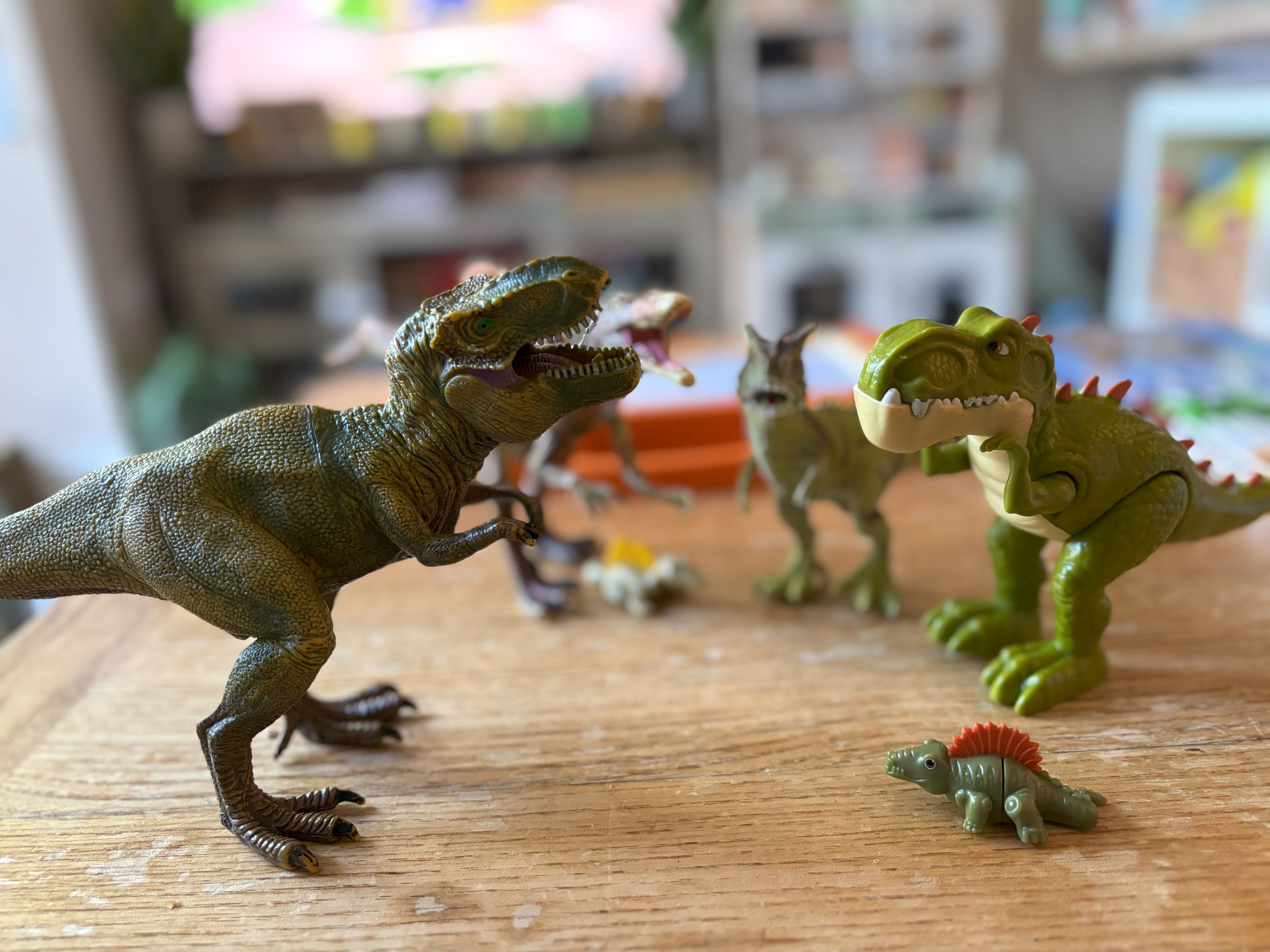
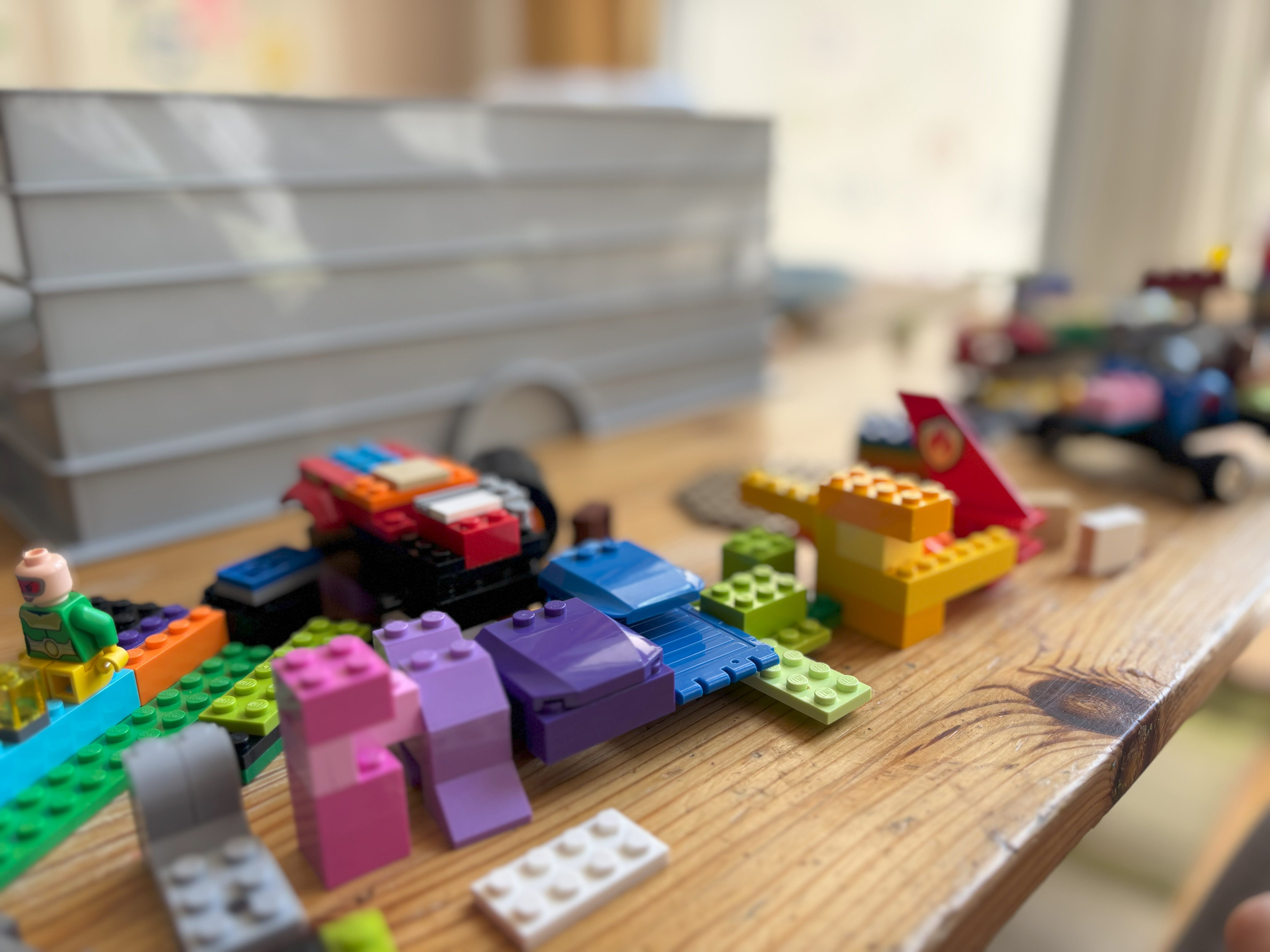
I've taught in mainstream and private classrooms, run CPD training on neurodiversity, and recently passed a Local Authority home ed review with glowing feedback (yes, those do exist!). But my proudest teaching moments happen somewhere between the Lego explosion on the living room rug and my five year old asking me if snails dream.
So, let’s talk about strewing… what it is, why it works, and how you can use it to light that little spark of curiosity in a way that feels safe, gentle, and joyful for neurodivergent kids (and manageable for you).
What is Strewing?
Think of strewing as leaving a trail of breadcrumbs for your child’s curiosity.
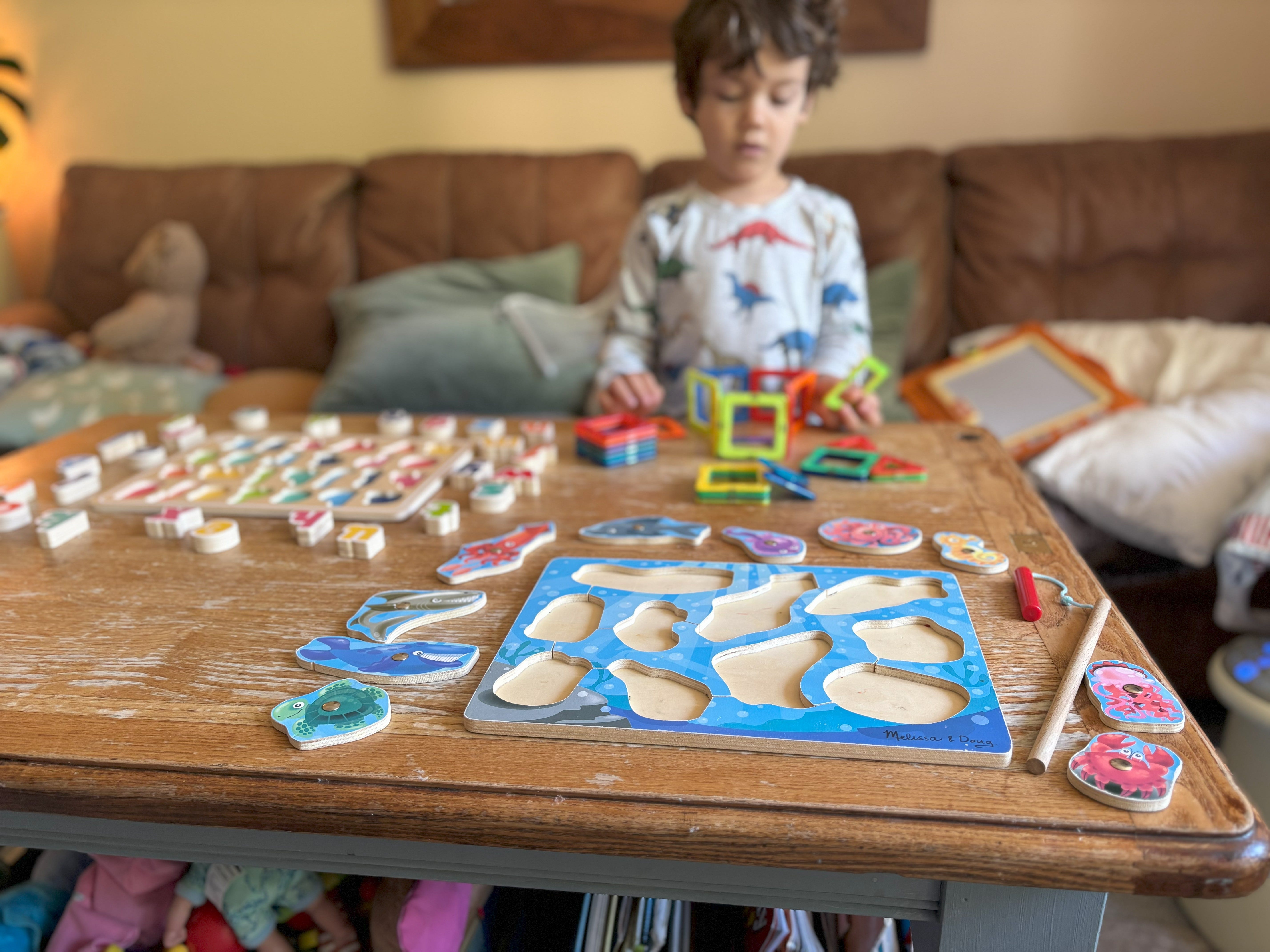
It’s the quiet art of placing interesting, open-ended things in your child’s path, without expectation, instruction, or pressure. A funny book left open on a cushion. A tray of paint and pinecones near the garden door. A fossil sample next to breakfast.
No “Let’s do this now.” No “We’re learning about geology today.”
Just a silent nudge that says, "You might like this."
For children with PDA, trauma, anxiety, or sensory processing differences, this low-demand approach can make the difference between shutdown and joyful exploration.
My 5 year old and my 3 year old are both joyfully PDA. By joyfully I mean that they are both allergic to tidying the natural disaster that is their bedroom, leaving me or their dad to do it multiple times a day, which is the source of all our joy. So when my five year old lost his place at school due to their unwillingness to accommodate his needs, I knew I was in for a real treat.
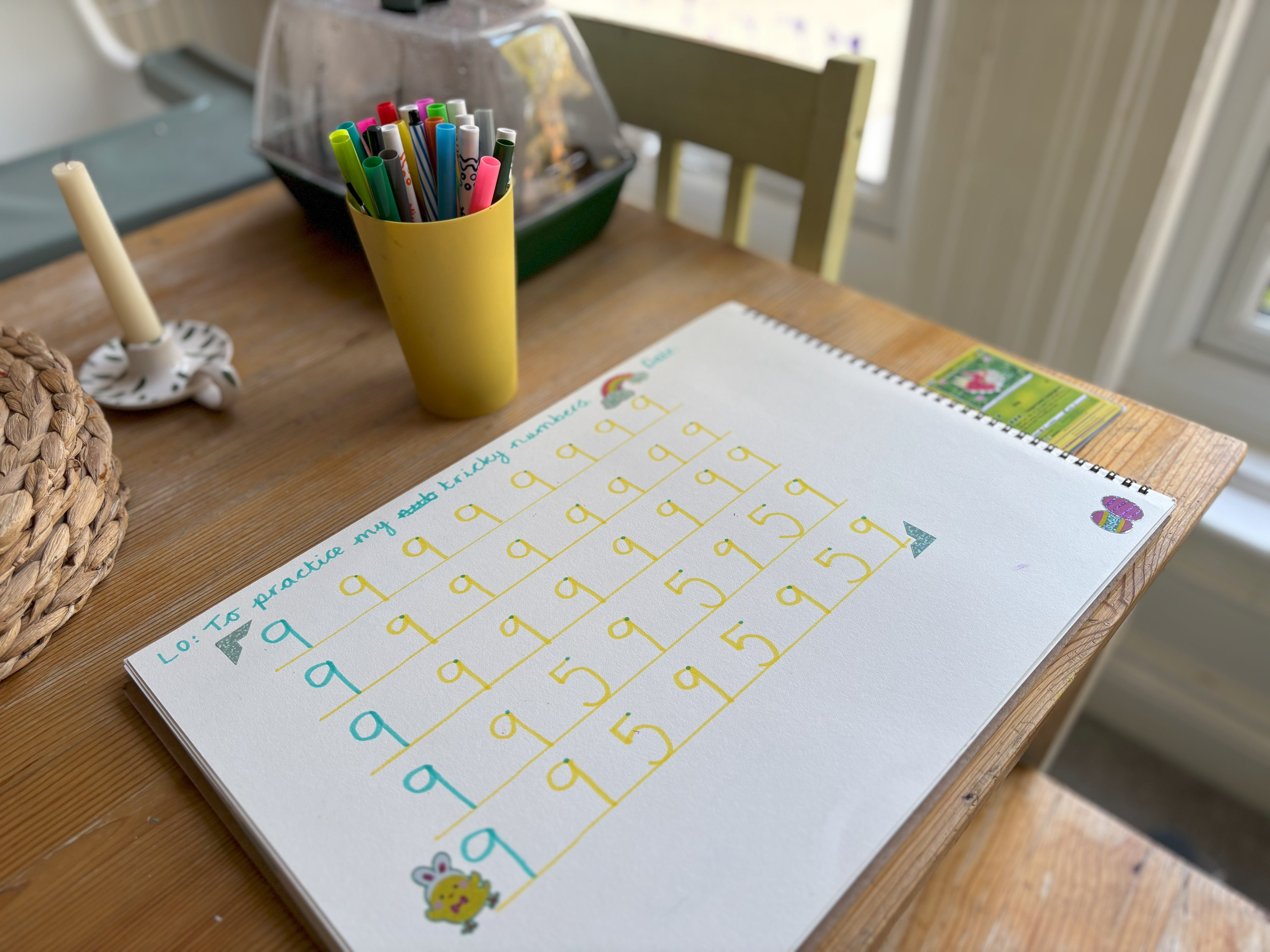
I was informed in his final parent's meeting that he wasn’t meeting any of his Early Learning Goals, was unable to count, didn’t know any of his sounds in Phonics and didn’t interact with others… he just hid under tables. This was enough to engage my ‘fight mode’ internally, externally however, I just handed her videos on my phone of him completing a whole phonics assessment, reading a book to me, counting past 100 and so on. She was speechless. Finally.
Fast forward to now and my son is flourishing, why? Strewing.
Why It Works (a.k.a. the Science Bit, Made Friendly)
Self-Determination Theory (Deci & Ryan): Humans thrive when they feel autonomous, competent, and connected. Strewing supports all three, your child chooses when and how to engage, builds skills in their own way, and connects with the world on their terms.
Polyvagal Theory (Porges): Safety unlocks learning. A child who feels in control and unpressured is more likely to enter a calm, connected state. That’s when curiosity can come out to play.
Trauma-Informed Practice: Many of our children associate learning with shame, failure, or overwhelm. Strewing says, “There’s no wrong way to do this. And if you walk past it then that’s totally fine.”
Why PDAers & Trauma-Affected Learners Often Love It
If you’ve ever seen your child freeze, explode or disappear when given a simple instruction, you’ve probably met the mighty resistance that is demand avoidance. Even if the task is fun.
Strewing is a quiet workaround. It doesn't ask anything upfront.
It simply offers.
You’re not hiding spinach in the brownies here, you’re honouring autonomy and trusting that your child wants to learn… when they feel safe.
About two weeks ago I strewed the StoryBots episode ‘How do you catch a cold?’ because he had asked me about it the night before. This led to extended learning for nearly two weeks on microbiology, specifically the different kinds of white blood cells (macrophage is his top dog apparently) and an interest in Science intensifying. I did barely anything, he led it all.
What To Strew: Real-Life Ideas (Because You're Already Tired)
🌈 Sensory + Exploratory
Baskets of fabric, scarves, or feathers
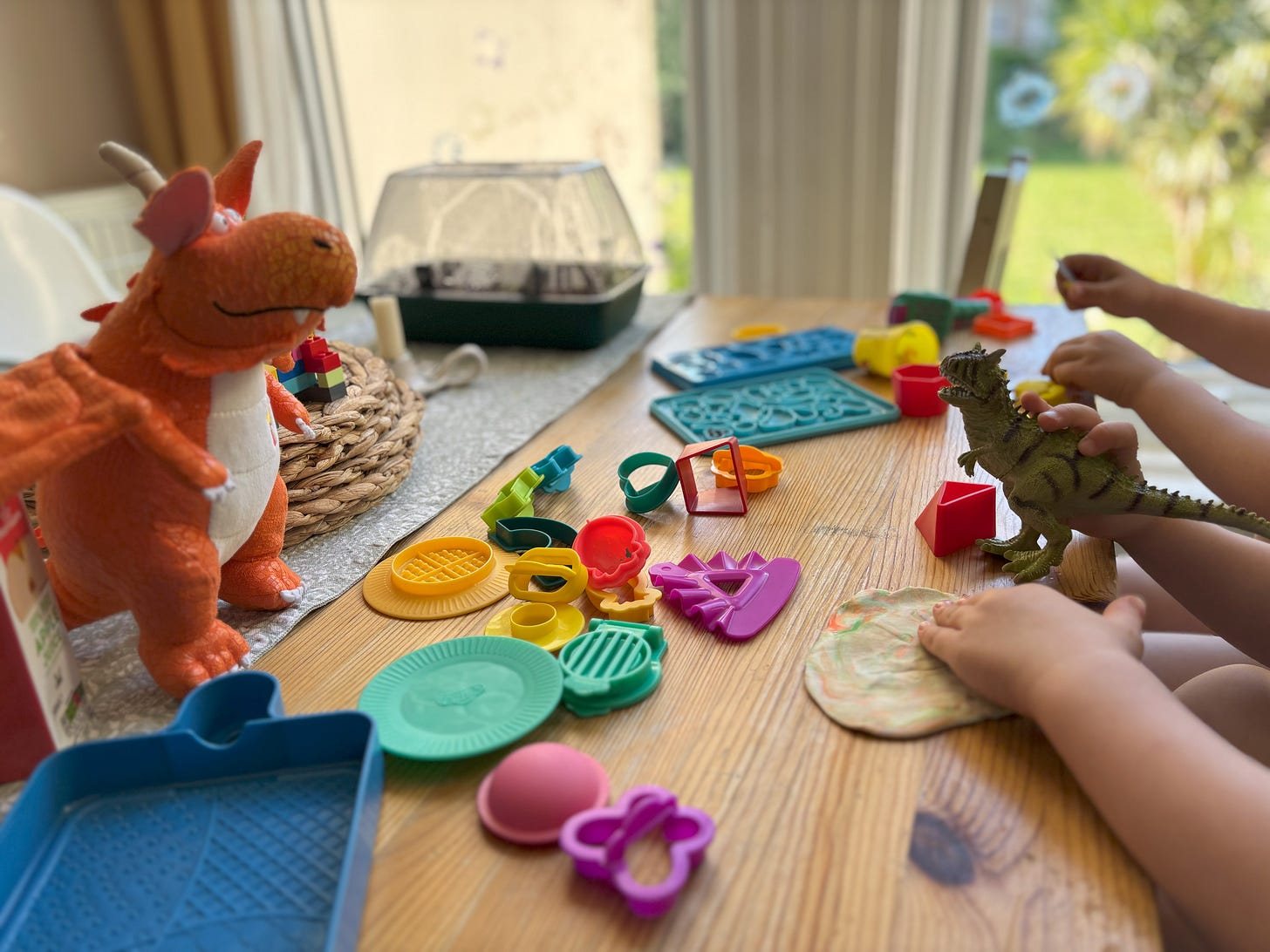
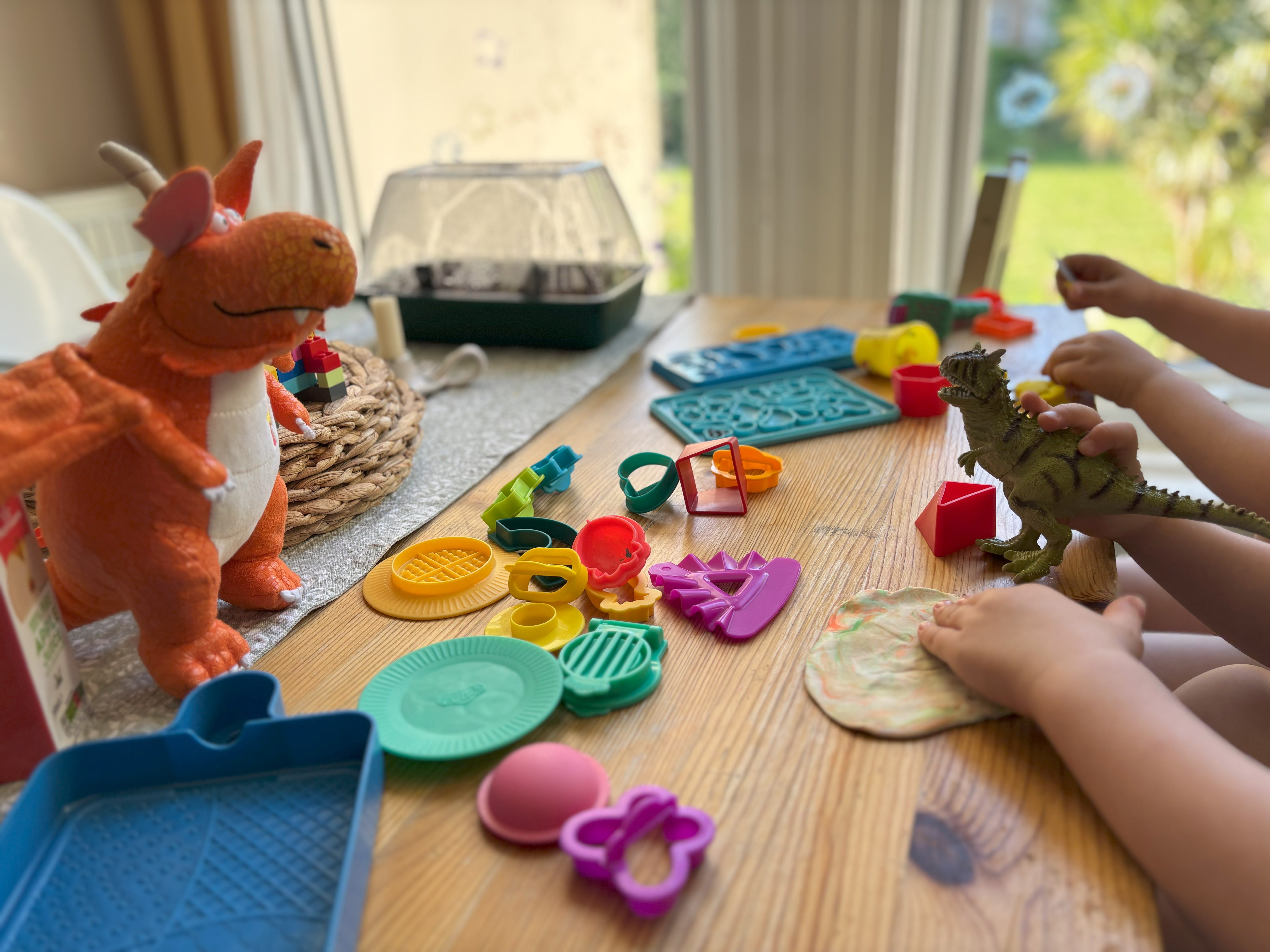
Playdough with toothpicks and buttons
A “mystery” box with pinecones, lavender, or citrus peels
📚 Literacy Without Worksheets
Joke books or comics open on the sofa
Fridge magnets spelling a silly sentence
A story tape playing softly in the background
🧪 Science + Maths Without Tears
Tub of magnets with metal/non-metal items nearby
Kitchen scale + fruit = spontaneous weighing game
Dice, measuring tapes, or tangrams laid out invitingly
🎨 Creative Sparks
A tray of collage bits, glue sticks, googly eyes
Chalks near a blackboard or patio
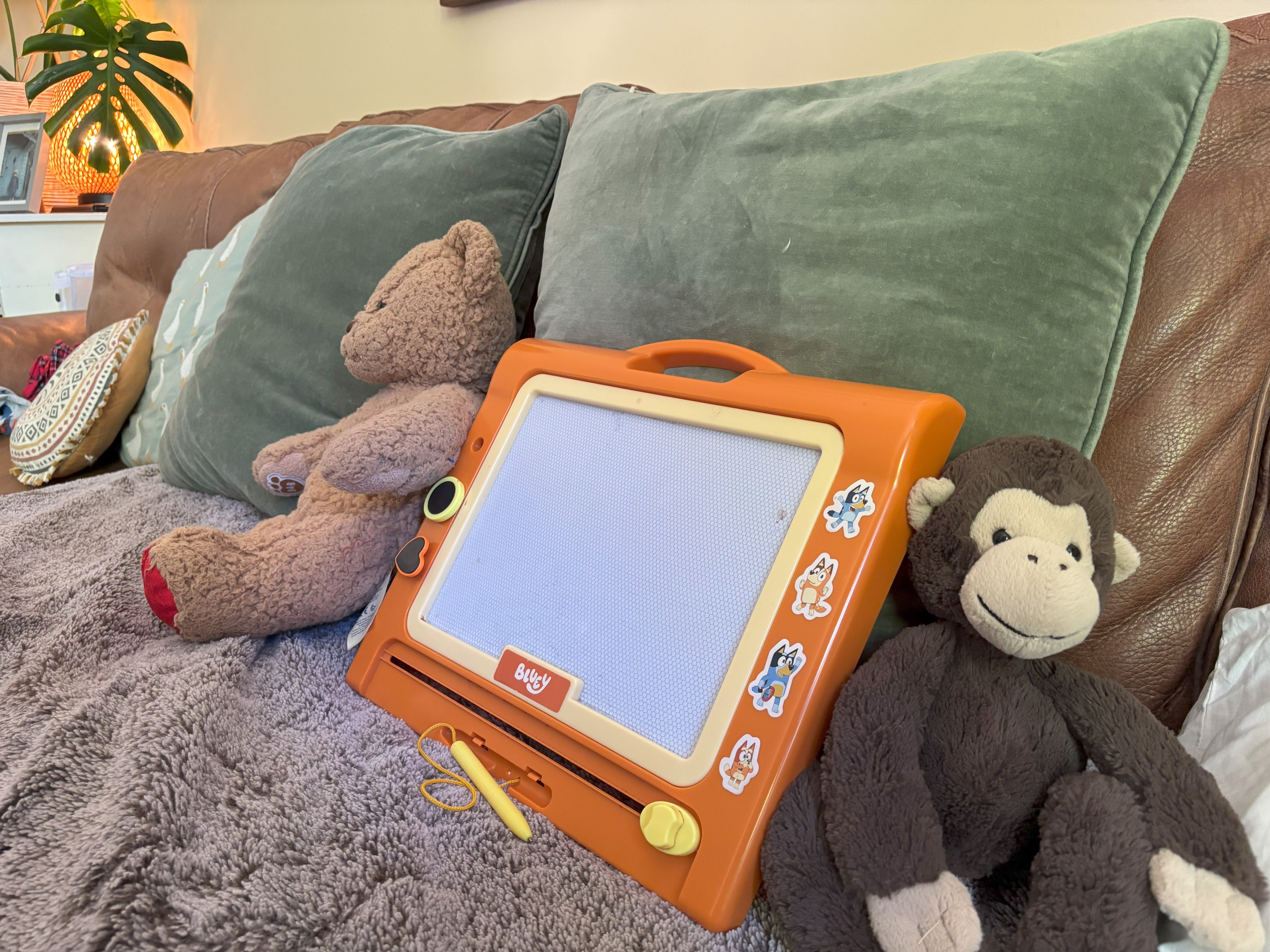
An open sketchbook with a drawing prompt written in
🎮 Special Interests + Deep Dives
Match to their passions: Minecraft blocks, sea creatures, trains, outer space. Make the invitation personal. That’s where the magic is.
Tips From the Trenches
✅ Less is More - One or two new things at a time. Clutter clouds curiosity.
✅ Be a Shadow, Not a Showman - If they engage, follow their lead. No gushing.
✅ Switch It Up - Fresh setups reignite interest.
✅ Trust the Process - The goal isn’t a worksheet. It’s wonder.
What NOT to Do (Don’t Worry, We’ve All Done These)
❌ Don’t say, “Finally, you’re learning something!”
❌ Don’t secretly plan to “turn this into a lesson.”
❌ Don’t put out everything at once… choice paralysis is real.
❌ Don’t force a follow-up activity to prove it was educational.
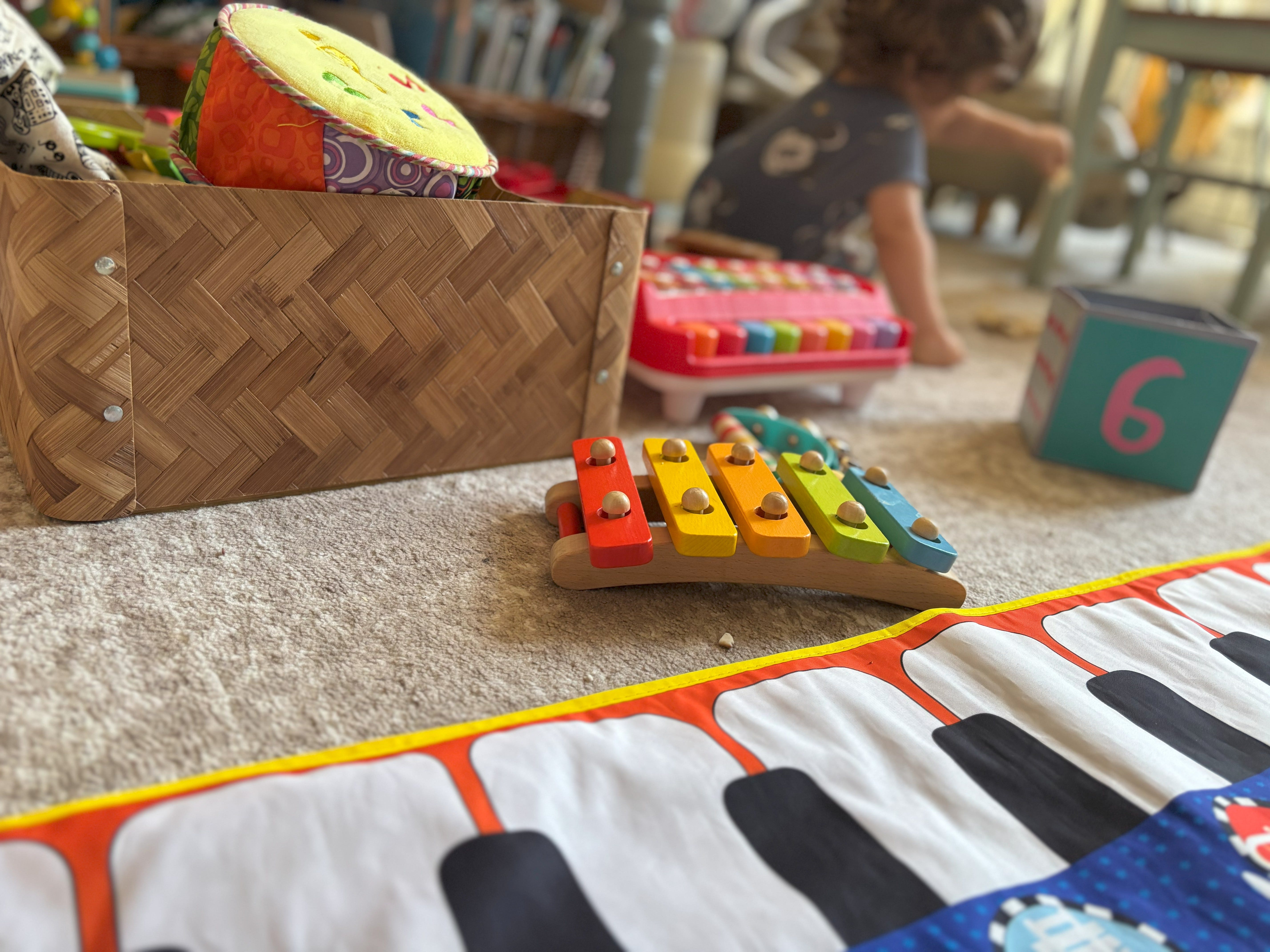
Strewing Is More Than Just Stuff
Sometimes it’s not objects, it’s experiences. Leave a nature trail map by the shoes. Play a documentary quietly during snack. Pause an art video and walk away. Strew yourself at an activity but getting it ‘wrong’ or finding it hard ‘Oh I just can’t figure this out…’ - PDA children love to correct and teach.
Curiosity doesn’t need a schedule. Just space.
Closing Thoughts: It’s Not Lazy. It’s Smart.
Strewing is a powerful tool because it respects the learner. It invites rather than demands. For kids who've experienced overwhelm, trauma, or rejection in traditional settings, it builds bridges… quietly, gently, beautifully.
It says: “I trust your instincts. And I see your brilliance, even when you’re in pyjamas at 2pm.”
And let’s be honest: sometimes the best learning happens in pyjamas.
If you are Home Educating (or considering it) I have been a real babe and made you a themed pack for every month of the year for EYFS (ages 2-5) which are downloadable and printable. What does it include I hear you ask? Well…
What’s inside the pack:
🌱 120+ play-based activity ideas across all 7 EYFS learning areas
🧠 Designed with neurodivergent and SEND children in mind
💚 Trauma-informed and PDA-friendly approach to learning
🧺 Strewing-based ideas using everyday, low-cost materials
📚 Curated book lists (fiction & non-fiction) linked to the theme
🍲 Themed cooking activities to support learning through food
📝 Printable trackers, logs and planners to support you and your child
🌼 Gentle guidance without pressure—follow your child’s lead
👣 Thoughtfully structured but flexible for real family life
So, take a peek: www.sendinmama.com/homeedmay
I love this! I figured out if a leave a couple toys around wordlessly it works for my 6 year old ADHD kiddo but I never had the words for it. I’m just learning about demand avoidance now too. 🫠
Thank you for your insightful exploration of strewing as a gentle approach to learning. Your article highlights how this method fosters curiosity and self-directed discovery, particularly for neurodivergent children. By presenting materials in a non-directive way, you create an environment where learning becomes an organic and enjoyable process. Your perspective offers a refreshing alternative to traditional educational methods, emphasizing the importance of trust and autonomy in a child's learning journey.