

Bright Minds, Different Wiring
Understanding the Relationship Between IQ, Intelligence and Neurodiversity


Many parents of neurodivergent children receive contradictory feedback about their child’s abilities.
One teacher might say their child is bright, insightful or unusually perceptive in conversation. Another might report that the same child refuses work, struggles to complete tasks or appears disengaged in class. Parents are then left wondering how both statements can possibly be true.
In reality, they often are.
Some children possess very high reasoning ability while also experiencing neurological differences that affect how that ability is expressed. This combination is widely referred to internationally as twice exceptional (2E). In the UK, the same concept is more often described as dual or multiple exceptionality (DME). A child with dual exceptionality is both intellectually able and neurodivergent, meaning they may have autism, ADHD, dyslexia or another neurological difference alongside high cognitive ability.
Understanding how intelligence and neurodiversity interact can help us move beyond the simple question of whether a child is “bright” or “struggling”. Instead, it opens the door to a more useful question. How does this particular brain work?
My eldest son has a diagnosis of Autism and is recognised as having a strong demand avoidant profile (he is most likely to be recognised and officially diagnosed as PDA once this becomes a standardised diagnosis in the UK). He is also smart. Very smart. By the time he was 5 he was reading chapter books for fun and reciting long strings of (correct) mathematical equations to self-soothe while he played. He is an expert problem solver and sees patterns and inconsistencies quickly. He invents and creates and is generally exceeding age related expectations in most areas… EXCEPT PSED (Personal, Social and Emotional Development) where, due to his neurodiversity, he requires substantial support. A great deal more than is needed for other children of the same age.
This is DME - Dual or Multiple Exceptionality. It means that the strategies we use to support him require a nuanced and considered approach. While my son may be able to do mental maths at a level that I personally need a calculator to check… he cannot understand social cues. He needs support with all personal care including toileting, washing, dressing and eating. He struggles with emotional dysregulation episodes that when he was younger were violent, but are now just very loud and scary. People describe our son as ‘extremely intelligent’, but what does that really mean?

What do we mean by intelligence?
Intelligence is often spoken about as though it is a single measurable trait. In reality, intelligence is complex and multifaceted.
Psychological research has identified a range of cognitive abilities that contribute to what we broadly describe as intelligence. These include reasoning ability, memory, problem solving, language comprehension, pattern recognition and the ability to adapt to new situations (Sternberg, 2019).
Howard Gardner’s theory of multiple intelligences challenged the idea that intelligence can be reduced to one number, such as those in IQ tests. Gardner proposed that individuals may demonstrate strengths in different domains such as linguistic intelligence, logical reasoning, spatial thinking, interpersonal understanding and creative thinking (Gardner, 1983).
While Gardner’s theory continues to be debated, it highlights an important point. Intelligence is not limited to academic performance. A child who struggles with written tasks may still demonstrate remarkable reasoning ability, creativity or insight.
Parents of neurodivergent children often recognise this instinctively. They may live with a child who can explain the structure of the solar system in great detail yet still forget where they left their shoes five minutes ago.
Both of those things can coexist quite happily in the same brain.

What does an IQ score actually measure?
IQ tests are among the most widely known tools used to measure cognitive ability. Modern assessments such as the Wechsler scales measure performance across several domains including verbal comprehension, fluid reasoning, working memory and processing speed (Wechsler, 2014).
These scores are then combined to produce an overall IQ score.
However, that number represents an average across different cognitive abilities. A child may score extremely highly in one domain and more moderately in another. When these are averaged together, the final number can hide areas of exceptional strength.
IQ tests therefore measure certain cognitive abilities, particularly reasoning and information processing. They do not measure creativity, emotional insight, curiosity, imagination or the ability to invent an elaborate game involving five dinosaurs, three Lego towers and an imaginary volcano.
For neurodivergent individuals, IQ scores often conceal important differences between cognitive domains.

Let’s make this personal.
In my life I have completed more than one IQ test because my idea of a good time is weird and my autism requires that I complete something more than once and from more than one source to garner an average.
Each time my results were 123. That means - to quote Google - ‘An IQ of 123 is classified as “superior” intelligence, placing them in approximately the top 6% of the population. This score indicates strong cognitive abilities, such as fast learning and reasoning, typically falling within the 94th percentile. It is well above the average range of 90–109.’
Hooooold your horses celebrating for me there for a minute because this has given you an average. I may perform highly in certain areas, but this score does not capture the areas that are responsible for the fact that a moment ago I forgot (due to poor working memory) that I put my cup of tea on a book next to me on the bed, and have just smacked it all over my bed (because of poor spacial awareness) and have spent the past five minutes dancing on top of a towel to dry to soak it up. DME people. My cognitive profile is what we call ‘spikey’... let’s talk about that.
The spiky cognitive profile
One of the most useful concepts for understanding neurodiversity and intelligence is the idea of a spiky cognitive profile.
Many autistic and ADHD individuals show uneven patterns of cognitive ability. Some areas of thinking may be exceptionally strong while others are average or comparatively weaker. For example, a child might demonstrate very high verbal reasoning and exceptional pattern recognition while experiencing slower processing speed or difficulty holding information in working memory. When these scores are averaged, the overall IQ may appear relatively moderate even though certain abilities are far above average.
Researchers studying autism have consistently found evidence of uneven cognitive profiles. Autistic individuals often show strengths in areas such as pattern detection and systemising alongside differences in other cognitive processes (Mottron et al., 2013; Baron-Cohen, 2002).
Education systems often assume that ability develops evenly across subjects. Neurodivergent brains frequently do not follow that pattern. Instead they develop in peaks and valleys.
Parents sometimes describe this experience with a mixture of pride and bewilderment. One moment their child is explaining a complex scientific concept. The next they are unable to find their coat despite it being directly in front of them.

Autism and cognitive strengths
Autism research has increasingly moved away from purely deficit based explanations (thank goodness) towards a more balanced understanding of cognitive differences. Studies have found that many autistic individuals demonstrate enhanced perceptual processing and heightened attention to detail (Mottron et al., 2006). These abilities can support strong pattern recognition and analytical thinking.
Simon Baron-Cohen’s theory of systemising suggests that autistic individuals often show a strong drive to understand and analyse systems. A system may be mechanical, mathematical, scientific or even social in nature (Baron-Cohen, 2002). Personally, my ‘special interests’ are neuroscience, astrophysics, child development, education and dinosaurs. I would really love to know what your special interests are in the comments as an adult so please drop them in there… I want to see how many of us still love dinosaurs and are just making out that it’s the kids.
This systemising tendency can support deep expertise in particular topics. Autistic individuals may pursue interests with remarkable intensity and depth, developing knowledge far beyond typical expectations for their age.
Parents often recognise this phenomenon very early. Many can recall a period where their child developed an encyclopaedic knowledge of trains, dinosaurs, Minecraft or some extremely specific species of beetle.
While this level of focus may be impressive, it does not always align neatly with school curricula. Which sucks, because honestly if it did we would rule the world.
ADHD and divergent thinking
ADHD is often associated with difficulties in attention and executive functioning. We are learning more and more that it is not a lack of attention, rather attention to everything, so focusing on one thing is challenging. However, research also highlights strengths linked to divergent thinking and creativity.
Divergent thinking involves generating multiple ideas or solutions to a problem. Some studies suggest that individuals with ADHD traits may perform strongly on measures of creative thinking and idea generation (White and Shah, 2006). At the same time, ADHD affects executive functions such as organisation, working memory and sustained attention (Barkley, 2015).
This combination can create an interesting paradox. A child may produce insightful ideas and complex reasoning in conversation while struggling to organise written work or complete structured tasks. Parents often observe that their child can explain a brilliant solution verbally but the moment a worksheet appears, the brain seems to stage a protest.
Some of you may find this in yourselves if you have ADHD or AuDHD. My wonderful husband is a fountain of insightful and creative thinking and ideas, but also can NOT tell you what I just said.
Understanding dual exceptionality
Dual or multiple exceptionality refers to individuals who are both intellectually able and neurodivergent.
These learners may possess exceptional reasoning ability while also experiencing challenges linked to autism, ADHD or learning differences such as dyslexia.
Research suggests that children with dual exceptionality are frequently underidentified because their strengths can mask their difficulties and their difficulties can mask their strengths (Foley-Nicpon et al., 2011). For example, a child with strong reasoning ability may compensate for reading difficulties for several years. Alternatively, a child with ADHD may appear disengaged or disruptive in class, leading adults to overlook their intellectual strengths.
As a result, many children with dual exceptionality move through education systems without their full cognitive profile being recognised.
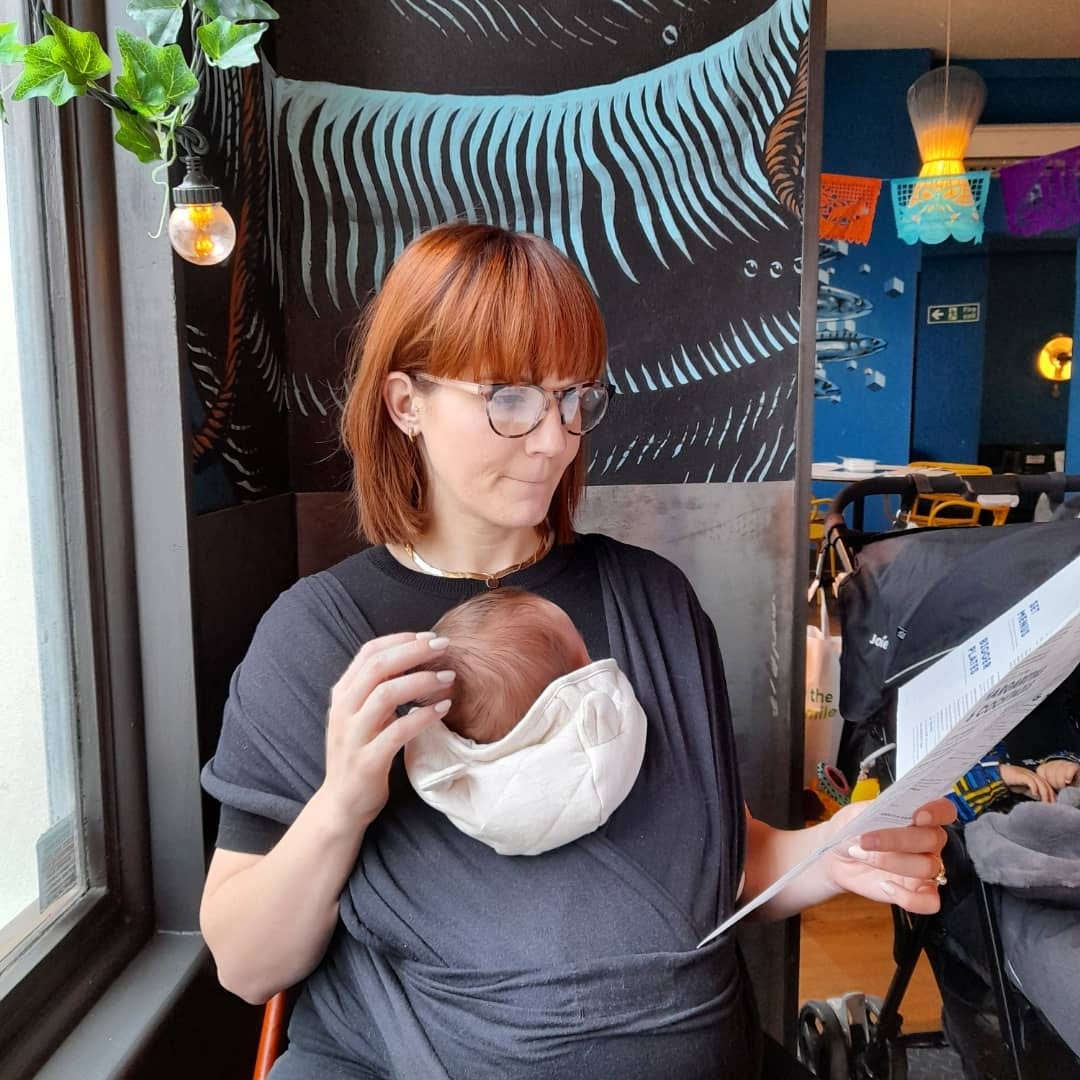
Using myself as an example here because why not… I was a DME child, but every single one of my school reports stated that I was ‘not reaching my potential’ and ‘if she would just pay attention and try harder she could do really well’. I did a Masters Degree in Education and it took me three attempts to complete it. It wasn’t because I didn’t understand the materials, concepts, theories etc. I understood them deeply - I would argue more deeply than some of my peers, but I struggled with the executive functioning difficulties associated with organising my time, resources and building my dissertation to meet structural standards. I struggled with demand avoidance. I was told that ‘at this level’ you are expected to do this independently and not require support. At the time I didn’t know that I had autism, PDA and ADHD and thought there must just be something wrong with me. My confidence took a big hit and I shelved my dream to go on to do a PhD as I obviously wasn’t cut out for it. I wonder how different my experience might have been had I known about my needs and received the appropriate support.
When school expectations and neurodivergence collide
Most school environments are structured around consistency, compliance and standardised measures of performance. Students are expected to follow instructions, complete tasks within specific timeframes and demonstrate learning through written work. For neurodivergent children with uneven cognitive profiles, these expectations can create significant challenges. A child may understand complex concepts yet struggle to complete routine tasks. Another may demonstrate remarkable verbal reasoning but find written output slow or exhausting.
When adults interpret these differences as laziness or defiance, children may begin to experience frustration, anxiety and reduced self confidence. Understanding the relationship between neurodiversity and intelligence allows adults to interpret these behaviours differently. Sometimes the issue is not ability. It is the environment in which that ability is expected to appear.
Autonomy, intelligence and demand avoidance
Now for those of us out there with demand avoidance this whole thing is that little bit more complicated, I touched lightly there on PDA. For children with both high reasoning ability and a PDA profile, this dynamic can create particular challenges. A child may fully understand what is being asked of them but experience intense stress when a demand feels imposed. In these moments the nervous system may respond with avoidance, negotiation or withdrawal. To outside observers this can appear puzzling. The child is clearly capable yet unable to complete the task when pressure is applied.
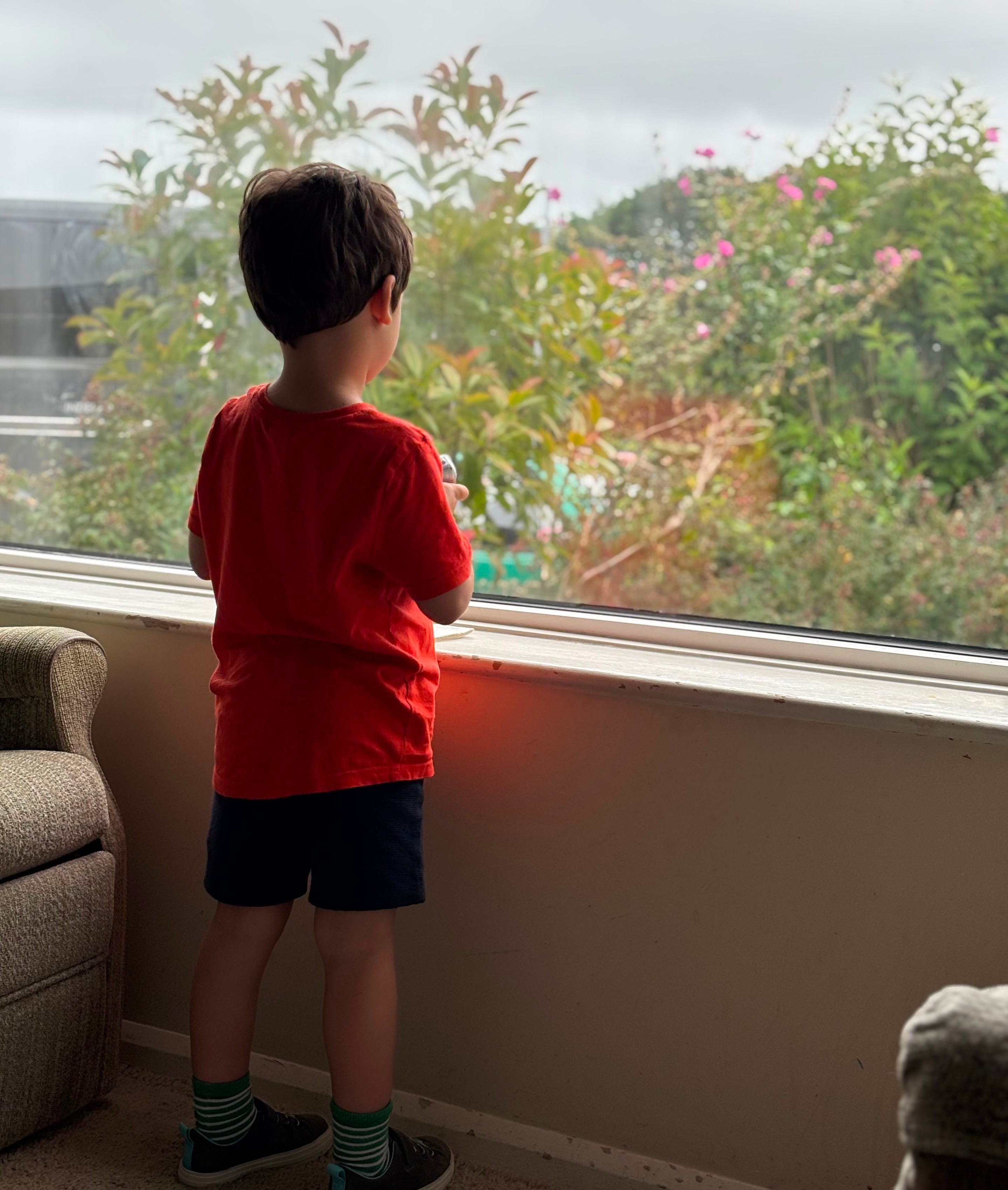
When my eldest son, mentioned at the beginning, had his first parents evening in Reception I was met with one of these puzzling experiences. I was curious about what his teacher knew about him, how much he was accessing, does she know his favourite colour? What’s his best friend’s name? What does he like to read? I wanted to know if she had built a relationship with my child. For context I have been a EYFS/KS1 teacher for over a decade so I know that this initial term in school is foundation building and creating that trust, bond and relationship underpins the success of the rest of the year for that child. So what did she have to say?
She looked at me as though she was spiritually holding my hand while she let me know that my son doesn’t access anything. He doesn’t know any of his sounds in Phonics, he can’t count, he doesn’t mark-make, he won’t play with other children and spends most of his time hiding under the table. This was the same woman that told me he was ‘absolutely fine after you left’ when I would drop him off in tears in the morning. I listened to her tell me about all of my child’s failings, waiting to hear one solitary good thing about my beautiful boy.
I stopped her, because I knew this was coming, and you know me… I was ready.
I played her a video of my son completing an entire Reception baseline assessment in Phonics with me. I showed her a video of my son reading every sound in both Reception and Year 1 lists correctly, using flashcards. I showed her photos of his artwork and mark-making. I handed her a combined Year 1 Maths English and Science assessment where my son had achieved 74%. I played a video of him reading to me. I showed her a video of him counting to 130 for fun. She was speechless.
The school and this teacher specifically had been informed at the beginning of the year that my child had PDA and had been given free access to my PDA Online Course (here) so that she could learn about strategies to support learning and education. This was an example of someone who believed they ‘knew enough’ and didn’t look to improve their practice by fully understanding the needs of the learners in their care. This meant that my son was scared enough to spend his school days under a table.
We withdrew him and we now Home Educate and he is flourishing.
Supporting children with dual exceptionality
Supporting children with dual exceptionality requires a shift away from deficit based thinking towards a strengths informed perspective. Rather than focusing solely on areas of difficulty, it is important to recognise and nurture areas of exceptional ability.
For many neurodivergent learners this may involve approaches that prioritise autonomy, curiosity and interest led exploration. Flexible learning environments and project based learning can allow strengths to flourish while reducing unnecessary pressure.
Parents may also benefit from remembering something important. A child can be both very capable and genuinely struggling at the same time. Those two truths are not opposites. They are often part of the same cognitive profile.
If you would like more information about how to support learners with PDA, DME or neurodiversity generally I have left a list of resources at the bottom for you.
Rethinking intelligence
Education systems often frame intelligence narrowly. Yet human intelligence encompasses far more than performance on standardised tests. Many neurodivergent individuals bring qualities that are difficult to measure but deeply valuable. These may include creativity, innovative thinking, intense curiosity and the ability to perceive patterns that others overlook.
History offers many examples of individuals whose unconventional thinking led to scientific, artistic or technological breakthroughs. Understanding the relationship between intelligence and neurodiversity allows us to move beyond simplistic narratives of ability and disability.
Some minds do not follow conventional pathways. Yet those same minds often see possibilities that others simply miss.
With Love,
Want to support further?
Resources:
1:1 Support Services: Personalised support services for PDA families
Resources Hub: Printable, PDA, ADHD and SEND friendly tools and Book Lists for Home Education & School
Articles on supporting PDA children in Education:
References
Barkley, R. A. (2015). Attention-Deficit Hyperactivity Disorder: A Handbook for Diagnosis and Treatment. 4th ed. New York: Guilford Press.
Baron-Cohen, S. (2002). The extreme male brain theory of autism. Trends in Cognitive Sciences, 6(6), pp.248–254.
Foley-Nicpon, M., Assouline, S. and Stinson, R. (2011). Cognitive and academic distinctions between gifted students with autism and Asperger syndrome. Gifted Child Quarterly, 55(1), pp.3–18.
Gardner, H. (1983). Frames of Mind: The Theory of Multiple Intelligences. New York: Basic Books.
Mottron, L., Dawson, M., Soulieres, I., Hubert, B. and Burack, J. (2006). Enhanced perceptual functioning in autism. Journal of Autism and Developmental Disorders, 36(1), pp.27–43.
Mottron, L., Dawson, M. and Soulières, I. (2013). Autism: A unique opportunity to understand the human brain. Annual Review of Psychology, 64, pp.529–554.
Newson, E., Le Marechal, K. and David, C. (2003). Pathological demand avoidance syndrome. Archives of Disease in Childhood, 88(7), pp.595–600.
Sternberg, R. J. (2019). The Cambridge Handbook of Intelligence. 2nd ed. Cambridge: Cambridge University Press.
Wechsler, D. (2014). Wechsler Intelligence Scale for Children – Fifth Edition (WISC-V). San Antonio: Pearson.
White, H. and Shah, P. (2006). Uninhibited imaginations: Creativity in adults with attention deficit hyperactivity disorder. Personality and Individual Differences, 40(6), pp.1121–1131.
At my diagnosis I was told my iq was a very tall tower but my poor executive functioning meant several rungs were missing so I’d never reach my potential 🤣🤣🤣
At my diagnosis I was told my iq was a very tall tower but my poor executive functioning meant several rungs were missing so I’d never reach my potential 🤣🤣🤣